


Most advice on accounting manager vs senior accountant gets the decision wrong. It treats the manager role as a senior accountant with a few direct reports and a slightly fancier email signature. That framing is tidy, familiar, and often useless.
The difference is scope. A senior accountant usually owns difficult accounting work. An accounting manager owns the system that gets the work completed, reviewed, reported, and defended. One role adds execution capacity. The other adds operational ownership, control, and accountability.
That distinction matters when your close is slipping, your controller is buried in journal entries, an audit is approaching, or multiple entities are turning a simple month-end into a small accounting-themed hostage situation. Here's the practical comparison.
| Decision area | Senior Accountant | Accounting Manager |
|---|---|---|
| Primary value | Executes and reviews complex accounting work | Owns the accounting workflow and team output |
| Close responsibility | Completes reconciliations, entries, and reporting support | Sets the close calendar, reviews work, and signs off on close quality |
| People management | May mentor peers or coordinate tasks | Supervises accountants and manages performance |
| Controls | Applies and documents controls | Designs, strengthens, and monitors controls |
| Audit role | Prepares schedules and responds to requests | Coordinates audit preparation and partners with the controller |
| Best hiring trigger | More work than the current team can execute | More complexity or risk than the current structure can govern |
The popular career-site version says the path is simple. Become a senior accountant, gain experience, get promoted to accounting manager, collect a larger paycheck, and start telling people that “we need to circle back” with a straight face.
That description misses the operational break.
A strong senior accountant can remain an individual contributor, even when the work is highly technical. They may handle difficult reconciliations, prepare complex entries, review selected schedules, and support reporting. Their performance is tied mainly to the accuracy, speed, and judgment of their own work.
An accounting manager is measured differently. The question shifts from “Can you solve this accounting issue?” to “Can the team produce a reliable close, on schedule, with review evidence and clean audit support?” The manager owns the output even when someone else made the original entry.
Practical rule: If the role is accountable for the team's close, it isn't just a more experienced senior accountant role.
A senior accountant might untangle an intercompany balance that refuses to agree. The accounting manager decides whether the close process is structured well enough to prevent that problem from appearing again, assigns ownership, reviews the resolution, and communicates the reporting impact to the controller.
That's a very different job.
The manager also carries people responsibility. They train staff, set expectations, review work, resolve bottlenecks, and make judgment calls when deadlines collide. A manager who still performs technical accounting is valuable. A manager who only performs technical accounting while ignoring team capacity is just an expensive senior accountant with calendar invitations.
Companies often promote their strongest senior accountant because the person knows the books and has earned trust. That's reasonable, but technical excellence doesn't automatically translate into delegation, feedback, process design, or executive communication.
The reverse mistake is just as costly. Some businesses hire an accounting manager when the problem is volume. If nobody owns a team because there is no team, management overhead won't fix a pile of unreconciled accounts. It may mean you've started mortgaging the office ping-pong table to fund supervision no one needs yet.
The clean reframe is this: senior accountant to accounting manager is a scope jump, not a title upgrade. The senior owns complex pieces of accounting. The manager owns the close, the review layer, the workflow, and the consequences when the process fails.
In a common mid-sized or larger finance function, the structure runs from CFO to Controller to Accounting Manager to Senior Accountant to Staff Accountant to Accounting Clerk. This progression is reflected in role guidance that places accounting managers over accountants and connects them to monthly reporting, compliance filings, and budgets, while senior accountants focus on accounting execution and reporting support. The accounting department organizational structure provides a useful reference for seeing how those layers typically fit together.
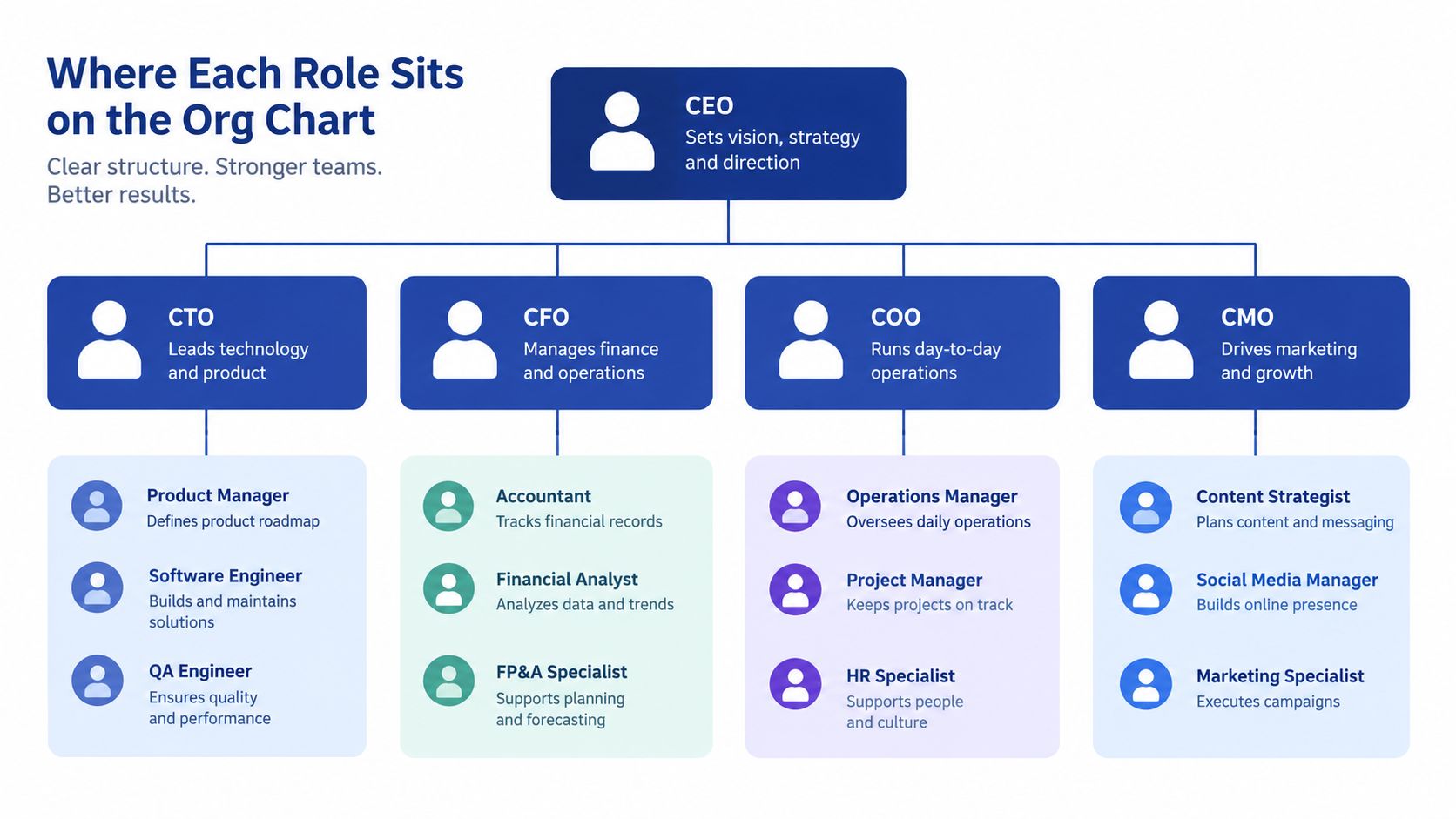
The reporting line tells you more than the title does.
An accounting manager usually reports to the controller, or directly to the CFO when the company doesn't have a controller. The manager becomes the operating layer between finance leadership and the accounting staff. Leadership communicates reporting priorities, risk concerns, and deadlines to the manager. The manager turns those priorities into assignments, review procedures, and a functioning close calendar.
The senior accountant usually reports to the accounting manager. In a smaller company, the senior may report directly to the controller because the team is too thin to justify another layer. That exception matters. A senior accountant with a direct line to the controller may have meaningful autonomy, but the role still tends to center on the ledger and reporting work rather than department-wide ownership.
The manager absorbs operational noise so the controller can focus on higher-level financial leadership. That means answering routine questions, deciding who handles an unusual balance, reviewing work before it reaches the controller, and escalating issues with enough context to support a decision.
The senior accountant is closer to the technical work. They may own a group of accounts, investigate variances, prepare schedules, and explain why a balance changed. They're often the person who knows where the accounting bodies are buried.
That knowledge is valuable, but it isn't the same as owning the department.
A small company may call its most experienced accountant an accounting manager even when the person has no direct reports and no authority over the full close. Another company may call a genuine process owner a senior accountant because the org chart hasn't caught up.
Don't evaluate the label in isolation. Look at who approves the close, who reviews the team, who coordinates the audit, and who decides whether the accounting process needs to change. Those answers reveal the level of the role.
The cleanest way to compare these roles is to watch what happens during a messy close, not what appears in a polished job description.
A senior accountant handles the hard accounting. That can include complex reconciliations, technical memos, account analysis, audit schedules, and difficult journal entries. For example, they might investigate intercompany eliminations across entities, trace unexplained differences, document the accounting treatment, and prepare the correcting entries.
An accounting manager reviews that work, but their responsibility is wider. They own the close calendar, assign work, monitor completion, review the quality of entries and reconciliations, manage accountants, and coordinate with the controller on audit preparation and flux analysis.
| Workstream | Senior Accountant | Accounting Manager |
|---|---|---|
| Close execution | Prepares journal entries, reconciliations, schedules, and technical support | Owns the close calendar, assigns work, tracks completion, and signs off on close readiness |
| Controls and review | Applies controls and reviews selected work | Establishes review expectations, monitors controls, and resolves recurring control failures |
| Financial reporting | Supports monthly reporting and explains account movements | Reviews reporting packages and communicates material issues to the controller or CFO |
| Technical accounting | Handles complex entries, memos, and account research | Decides how technical issues affect process, review, staffing, and reporting |
| People management | Mentors colleagues and may coordinate tasks | Supervises accountants, provides feedback, trains staff, and manages performance |
| Audit support | Prepares schedules and responds to requests | Coordinates audit preparation and works with the controller on open issues |
| Process improvement | Suggests better ways to complete assigned work | Standardizes workflows, changes ownership, and makes the process repeatable |
Take stock-based compensation. A senior accountant may prepare ASCN stock-based compensation entries, maintain supporting schedules, and reconcile the related accounts. The accounting manager checks whether the process is documented, whether review is adequate, and whether the close timeline gives the controller enough time to evaluate the result.
That distinction shows up in revenue, cash flow, AP, AR, and reporting workflows too. The senior accountant works through the accounting problem. The manager asks why the same problem keeps arriving at the same point in every close.
A practical senior accountant responsibilities guide can help define the execution side of the role. For the management side, I'd also map the handoffs in a workflow automation road map before hiring. Automation won't decide who owns a review, but it can expose where the current workflow is relying on memory and heroic spreadsheet skills.
Most comparisons mention “manages staff” and move on. That's the bit that deserves more attention.
Managing two to six accountants means setting priorities, reviewing output, coaching weaker performers, distributing recurring work, and protecting the close from avoidable chaos. It also means taking responsibility when someone misses a deadline. The manager can't shrug and say, “That was assigned to someone else.” The result still lands on their desk.
A senior accountant can be the most technically capable person on the team and still be the wrong hire for a management problem. If the business needs someone to redesign the close after acquiring a new entity, the company needs ownership, not another person who can complete reconciliations faster.
Compensation comparisons often look softer than they should because the two roles sit in different labor-market categories.
A BLS-based salary guide places accounting managers at a national median of $166,570 per year in May 2025, with a 10th-to-90th percentile range of $94,310 to $323,270. The range is broad, but the point is clear. Managerial accounting scope can extend far beyond the normal senior-accountant band. See the accounting manager salary guide for the underlying benchmark.
A separate comparison places senior accountants within the broader accountants and auditors group, which had a $79,880 median annual wage in May 2023 and a $137,280 90th percentile wage. Financial managers, the broader category that includes accounting manager work, had a $156,100 median and a $210,830 90th percentile wage in the same period. Those figures come from the senior accountant salary guide.
| Metric | Senior Accountant | Accounting Manager |
|---|---|---|
| Occupational benchmark | Accountants and auditors | Financial managers |
| Median wage, May 2023 | $79,880 | $156,100 |
| 90th percentile wage, May 2023 | $137,280 | $210,830 |
| Accounting manager benchmark, May 2025 | Not provided in this source | $166,570 national median |
| Accounting manager range, May 2025 | Not provided in this source | $94,310 to $323,270 |
This isn't a perfect apples-to-apples comparison. A senior accountant is commonly benchmarked under accountants and auditors, while an accounting manager is tracked under financial managers. The classification itself reflects a difference in scope, not merely a difference in years worked.
The manager is paid for carrying broader responsibility for controls, team output, reporting integrity, and operational continuity. That's why compensation can include more meaningful bonus opportunity, broader equity eligibility, or stronger benefits, depending on the employer. Those components vary by company, so don't treat base salary as the entire decision.
Market data also shows meaningful variation by location and title. PayScale's 2025 to 2026 data places senior accounting manager average pay in New York at $147,872, while another guide places senior accounting manager compensation around $125,000 to $160,000 for 8 to 12 years of experience. The New York senior accounting manager benchmark illustrates why geography can distort title comparisons.
Pay is a signal of scope and risk carried, not prestige. Paying manager money for senior-accountant execution is wasteful. Paying senior-accountant money for manager accountability is how you lose good people.
Both roles need strong GAAP knowledge. Both should understand reconciliations, journal entries, financial reporting, audit support, and the consequences of getting the books wrong. The overlap is substantial at the technical level, which is exactly why companies confuse the roles.
The divergence begins with ownership.
A senior accountant needs to produce accurate work without constant supervision. That includes resolving complex account activity, preparing support for auditors, researching accounting treatment, and explaining fluctuations in a way that management can use. Public accounting or industry experience is commonly expected, and the role often suits someone with several years of progressive responsibility. A CPA is valuable and frequently expected, but it isn't always mandatory.
An accounting manager must add a second operating skill set. They need to manage people, own the close, design or strengthen controls, support SOX-related work where relevant, participate in software implementation, and communicate across finance and operations. A manager is evaluated on whether the team delivers reliable results, not just whether the manager personally can prepare an excellent reconciliation.
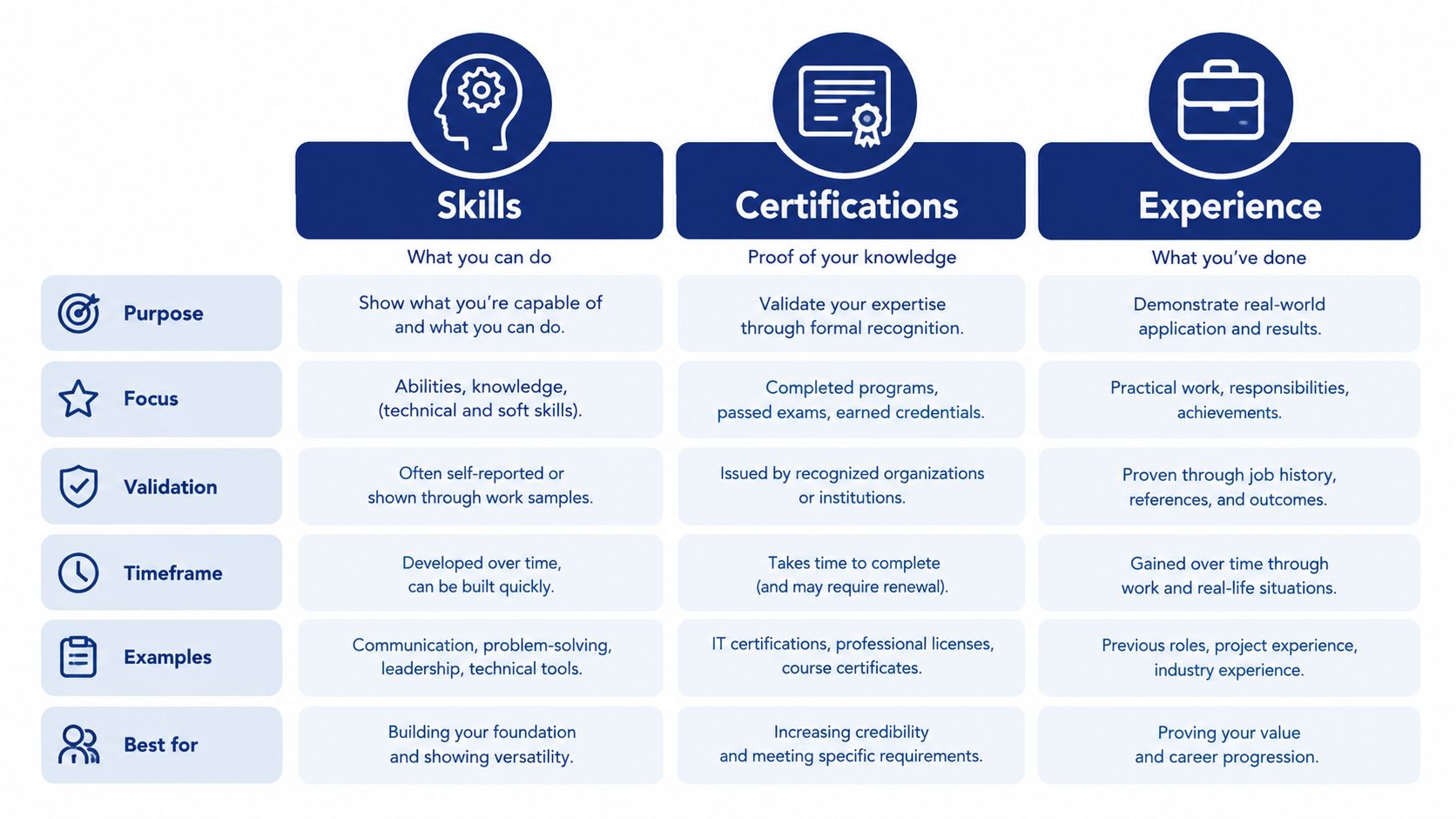
A CPA can strengthen either profile, especially where audit exposure and technical accounting matter. For a manager, a CMA, MBA, or ERP certification can provide useful differentiation when the role involves management accounting, planning, implementation, or cross-functional process work.
Credentials aren't a substitute for ownership. Someone can have excellent technical qualifications and still struggle to delegate, deliver feedback, or make a close calendar realistic.
Hiring requirements often tilt upward for management roles. One accounting manager posting cited a bachelor's degree, CPA needed, and 4+ years of progressive audit experience, while a senior accounting manager example listed 10+ years of public accounting or industry experience and a CPA as preferred rather than required. The accounting manager job description is useful for separating genuine management requirements from recycled job-posting wish lists.
Use experience as evidence, not decoration. Ask candidates what they owned, what they changed, who reviewed their work, and what happened when the process failed. That conversation tells you more than a credential stack.
A company should hire for the problem sitting on the close, not for the title printed on the departing employee's business card.
Consider a pre-Series A startup doing $2M to $10M in revenue with one accountant. There's no meaningful team to manage, so an accounting manager may be premature. The business needs someone who can execute reconciliations, prepare entries, support reporting, and create dependable accounting habits. Hire a senior accountant first, unless the founder or controller specifically needs process ownership rather than additional capacity.
The senior hire gives the business more hands and stronger technical coverage. The person can still document workflows and mentor others, but the economics make sense because the work is primarily execution.
A Series B to C company crossing $30M with multi-entity operations, an upcoming audit, and a three-person books team has a different problem. Another doer might complete more tasks, but the company needs someone to own the close, establish review layers, coordinate audit requests, and prevent the controller from becoming the final approver for every small issue.
That business should hire an accounting manager first. The role pays off through coordination and risk reduction, not because the manager can type journal entries faster.
Multi-entity accounting creates handoffs, eliminations, intercompany questions, and inconsistent processes. Add an audit and the cost of unclear ownership rises quickly. The manager becomes the person who makes the system coherent before the auditors start asking why three teams use three different versions of the same schedule.
A mid-market company with stable processes and a controller already in place usually needs technical capacity before another management layer. If the controller has a functioning close calendar, established controls, and enough time to supervise, hire a senior accountant to backfill complex work.
That choice keeps the org chart lean and puts the budget into the bottleneck. You don't need to hire a referee when the problem is that nobody has enough time to finish the reconciliations.
For leaders evaluating adjacent finance roles, this comparison of how to choose the right finance role is a useful reminder that titles only make sense when matched to decision rights and business complexity.
HireAccountants can be one practical route for sourcing either profile. Its platform connects US companies with pre-vetted, US-time-zone-aligned finance professionals, including senior accountants and accounting managers, through a marketplace, recruiting support, and matching tools. The relevant question remains the same: are you buying execution capacity, or are you buying ownership of the accounting function?
Use five questions before you approve the requisition.
If the close involves straightforward accounts and a stable calendar, a senior accountant may be enough. If the process includes recurring bottlenecks, late reviews, intercompany activity, or changing reporting requirements, the manager case strengthens.
A senior accountant makes sense when the work is mostly individual execution. An accounting manager makes sense when multiple accountants need priorities, review, coaching, and accountability. Don't create management overhead for an imaginary team, but don't pretend a de facto team lead is still just an individual contributor.
An upcoming audit changes the decision. If the company needs schedules prepared, a senior accountant can help. If the company needs someone to coordinate the entire response, close open issues, improve controls, and keep the controller out of every request thread, hire the manager.
One entity with a stable ERP usually points toward senior-accountant capacity. Multiple entities, acquisitions, software changes, or inconsistent workflows point toward a manager who can design ownership and standardize the process.
A senior accountant closes an execution gap. An accounting manager closes an ownership and risk gap. In 2026 benchmarks, senior accountants cluster around a midpoint of about $94,750, while accounting managers sit around $113,000, with broader ranges of roughly $80,000 to $109,000 and $96,750 to $127,500, respectively. Those benchmarks are summarized in Robert Half's finance and accounting hiring research.
The same source indicates senior accountant searches can take 68 to 82 days to fill in major US metros. That makes a vague job description especially expensive. Know the scope before the search starts.
| Business situation | Hire first | Reason |
|---|---|---|
| Solo founder with outsourced or basic bookkeeping | Senior Accountant | The business needs reliable execution and reporting support |
| Pre-Series A startup with one accountant | Senior Accountant | There's capacity pressure, but little or no team-management need |
| Series B startup with multiple entities and an audit ahead | Accounting Manager | Close ownership, review, and audit coordination matter most |
| Mid-market company with a stable controller-led process | Senior Accountant | The bottleneck is technical workload, not management |
| Pre-IPO or heavily audited company | Accounting Manager | Controls, documentation, review quality, and reporting accountability dominate |
The wrong senior accountant hire can leave the controller as a bottleneck. The wrong manager hire can burn cash on a layer that has nobody to manage. Neither mistake is fixed by changing the title later.
The labor market also argues against waiting for a perfect candidate to appear. The 2026 Corporate Finance & Accounting Talent Study reports a Talent Shortage Index of 77% and a Hiring Index of 134%, while Intuit's 2026 report describes accountants as “very hard to hire” nationally using LinkedIn Talent Insights data. The practical response isn't to panic-hire. It's to define the scorecard precisely and compare both profiles against the same operating need.
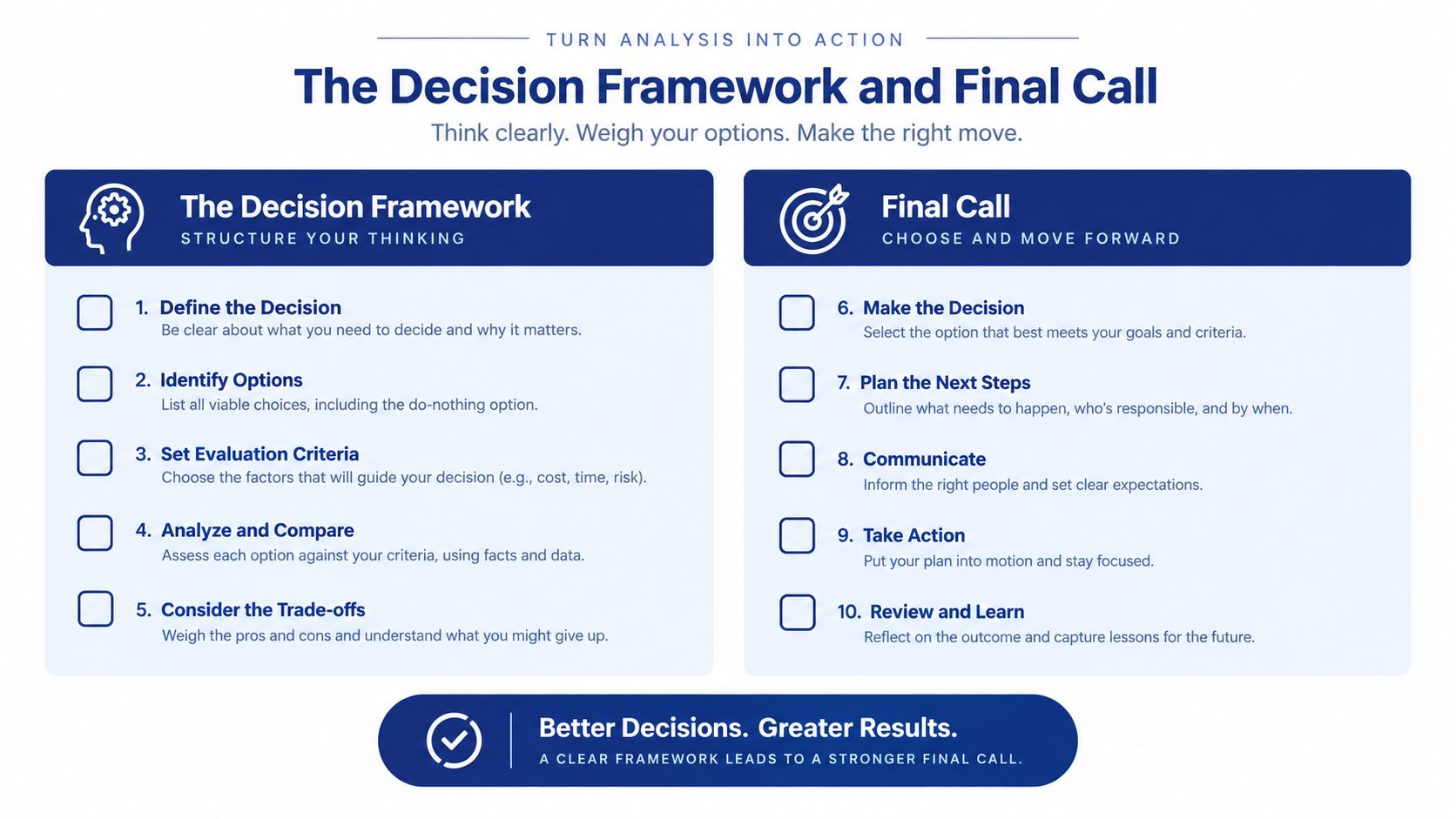
My recommendation is direct. Hire a senior accountant when volume is the problem. Hire an accounting manager when ownership, close complexity, audit exposure, or team coordination is the problem. Don't call it a promotion decision. Call it an operating-model decision, because that's what it is.
Source both profiles against one scorecard covering close ownership, technical depth, review authority, people management, entity complexity, and audit responsibility. That keeps the comparison honest and prevents the loudest job title from winning by default.
HireAccountants helps US companies source pre-vetted senior accountants, accounting managers, and other finance professionals through a marketplace and recruiting support, with candidates aligned to US working hours and flexible engagement options. Visit HireAccountants to compare both profiles against your actual close, audit, and team needs before you spend another month hiring the wrong scope.
Let's simplify your finances today!