


You're halfway through payroll when the numbers stop making sense. The QuickBooks file is six months behind, an IRS notice is dated yesterday, and the bookkeeper who said they were “handling everything” has gone silent. Now you're searching for remote bookkeeping services while pretending the next investor update is still on schedule.
I've been there. I've hired the cheap freelancer, paid for the polished firm, and once trusted a single person with accounts payable, reconciliations, and the company credit card. That last decision aged about as well as warm milk.
The question isn't whether you need help. It's what bookkeeping setup fits the way your company operates. Remote, in-house, and freelance models can all work. The wrong one turns clean financial control into an expensive guessing game.
The founder in this story doesn't need another productivity lecture. They need payroll processed, bank accounts reconciled, and a clear answer about whether the cash balance is real.
That's the problem with treating bookkeeping as a chore. Chores get postponed. Systems get designed, assigned, checked, and improved. If your books only receive attention when a tax notice arrives, you haven't outsourced bookkeeping. You've outsourced the panic to your future self.
A useful starting point is these small-business bookkeeping tips, but tips alone won't rescue a broken operating model. You need to decide who owns the work, which approvals remain with you, what reports arrive each month, and how someone else proves the numbers are complete.
An in-house bookkeeper works inside your company, usually with strong context and direct access to people. A freelance bookkeeper works independently, often with a flexible arrangement and a single person carrying most of the knowledge. A remote bookkeeping service typically combines off-site professionals with shared tools, documented workflows, and some form of coverage when one person is unavailable.
None of those options is automatically responsible. An in-house employee can miss closes. A freelancer can be brilliant. A remote firm can bury you in handoffs. The model matters, but the controls matter more.
Operating rule: Don't delegate “the books.” Delegate specific recurring outputs, approvals, deadlines, and escalation paths.
Start with the end state. Do you need reconciled accounts by a fixed day each month? A cash report before the weekly leadership meeting? Invoice follow-up? Payroll coordination? A clean audit trail for every journal entry?
Write those requirements down before you interview anyone. Otherwise, every candidate will describe a different job, every quote will cover a different scope, and you'll compare prices for completely different products.
The books aren't a box you hand to a vendor. They're the company's operating scoreboard. Build the scoreboard first, then choose who keeps it current.
Remote bookkeeping services are bookkeeping delivered by an off-site professional or team through cloud accounting software, secure document portals, and scheduled digital check-ins. The location changes, not the underlying work. Your provider can reconcile bank and credit-card accounts, categorize transactions, manage accounts payable and receivable, support month-end close, and prepare routine financial reports.
Think of the difference this way. An in-house bookkeeper is someone sitting in your office, or at least employed directly by your company. A freelancer is the capable person in the spare bedroom who may also be answering twenty other clients on a Gmail thread. A remote service is closer to a remote finance office, with defined processes, shared tooling, and hopefully more than one person who knows where the bodies are buried in your ledger.
That last point matters. Remote doesn't automatically mean managed. A solo contractor working from another city is remote, but they may still be a single point of failure. A firm with a named lead, backup coverage, review procedures, and secure access is a different operating arrangement.
A sensible bookkeeping scope usually includes:
The line between bookkeeping and accounting is worth clarifying before you sign anything. This explanation of the difference between accounting and bookkeeping is useful because many vendors use “accounting” as a broad label for very different levels of work.
Bookkeepers generally shouldn't be assumed to represent you in an audit, file your tax returns, provide formal tax advice, or act as your CFO. They can prepare records for a CPA, support tax preparation, and produce reliable management reports. They can't magically turn transaction coding into board-level strategy.
For a broader view of how finance functions are commonly outsourced, the LatoJobs finance outsourcing guide is a useful reference. Read it with one question in mind: which responsibilities need recurring execution, and which require an owner with authority to make financial decisions?
Remote bookkeeping can be a strong operating choice. It can also become a fancy subscription to avoid managing the basics.
The genuine advantages are straightforward. You can search beyond your local hiring radius, bring in specialists familiar with your industry or software stack, and increase support without opening another permanent role. A service can also provide coverage when one person takes vacation or leaves, provided the provider has built redundancy into the engagement.
Cost is another legitimate factor, but compare the whole arrangement. A neutral market guide places outsourced bookkeeping for a small business at about $300 to $1,500 per month, with full-service work reaching up to $2,500 monthly. Those figures describe broad scopes, not a universal rate card, so a quote only makes sense beside its transaction volume, reporting obligations, cleanup needs, and review structure. See this practical guide to bookkeeping service cost before accepting a vague “starting at” offer.
A 2025 study of CA, CS, and CMA professionals found that autonomy, technology readiness, and reduced commute stress were the strongest predictors of higher productivity in remote and hybrid work. The implication is useful for founders: remote performance depends on systems and task fit, not merely on giving someone a login and hoping for the best. The empirical study on remote productivity supports that systems-design view.
Time-zone coverage can create a useful relay. A bookkeeper finishes work while your team sleeps, and your morning starts with reconciled transactions or an updated report. But the relay only works when deadlines, handoffs, and review windows are explicit. Otherwise, you've created a twenty-four-hour delay machine with excellent calendar invites.
| Claim | Why It Holds | Where It Breaks |
|---|---|---|
| Broader talent access | You can hire for QuickBooks, Xero, SaaS, e-commerce, or multi-entity experience beyond your local market. | A wide talent pool doesn't replace careful verification or industry context. |
| Lower fixed cost | You avoid many employee-related overheads and can buy a defined service scope. | Onboarding, software, manager time, and cleanup can erase the apparent savings. |
| Flexible scaling | Support can expand during growth or contract when the workload changes. | A provider may add junior staff without preserving review quality. |
| Faster onboarding | A ready team can often start sooner than a full recruiting process. | Fast access to an unsuitable person is still a slow mistake. |
| Time-zone productivity | Overlap can extend the workday and speed up handoffs. | Async communication fails when questions wait for the next business day. |
The verdict is simple. Remote works when the process is ready for remote execution. It breaks when the founder expects distance to solve unclear ownership, dirty historical data, or missing approvals.
Remote bookkeeping doesn't create every control problem, but it can expose the ones your office routine was hiding.
The biggest risk is concentrated access. If one remote bookkeeper manages vendor setup, approves bills, reconciles accounts, and posts adjustments, the company has weak segregation of duties. That person may be perfectly honest and still make an error that nobody independently catches.
Communication creates a second fault line. Time-zone lag, async-only workflows, and vague Slack messages can turn a small classification question into a month-end problem. A distributed team needs a written escalation route, not a shared belief that “someone will notice.”
Security deserves less theater and more implementation. Guidance for virtual bookkeeping roles calls for multifactor authentication, encrypted storage or file transfer, device encryption, and least-privilege access, with secure portals preferred over plain email for bank statements, payroll records, and other sensitive documents. The cybersecurity guidance for virtual bookkeeping lays out those controls clearly.
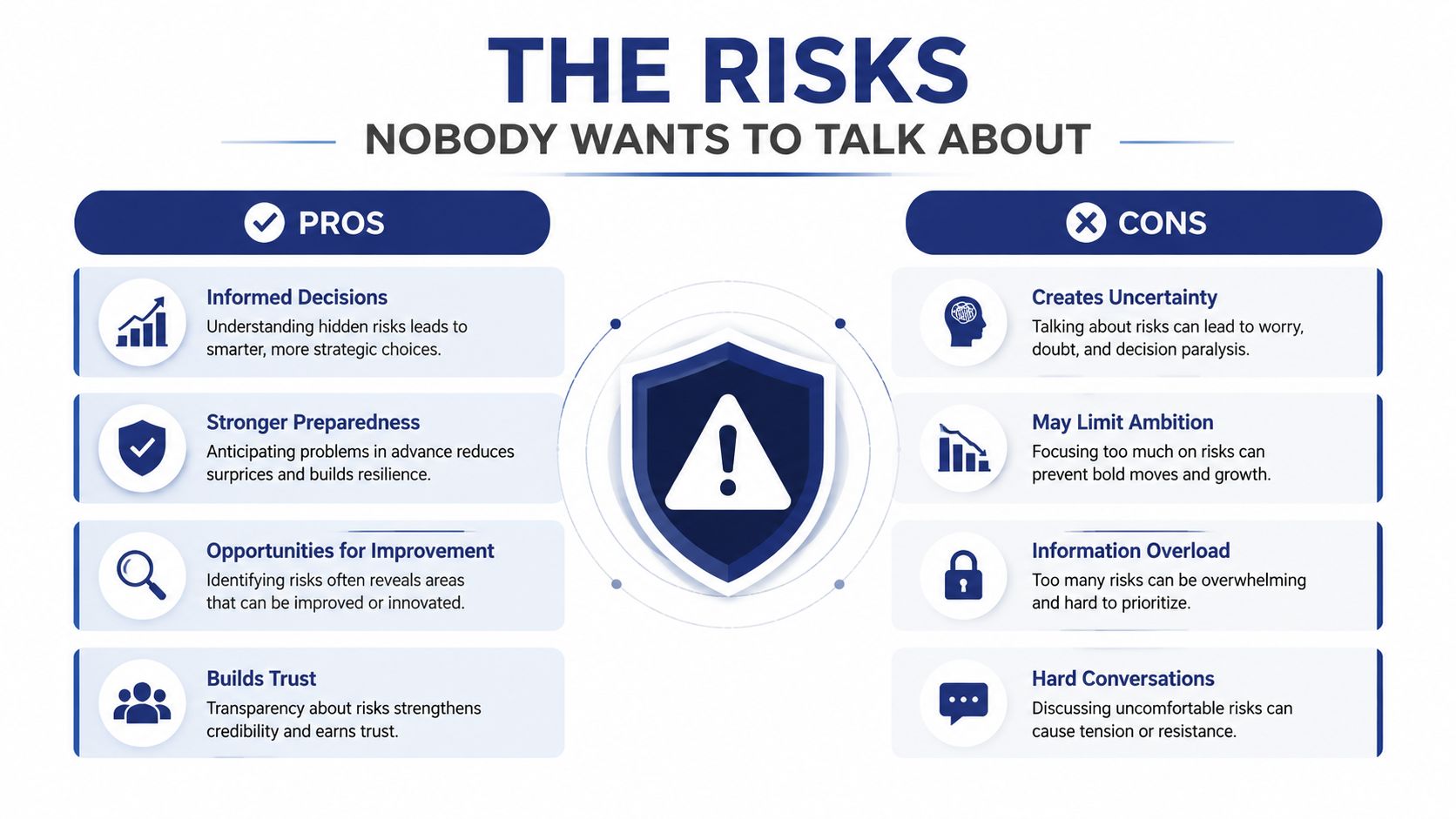
Use role-based permissions in QuickBooks or Xero. Require a documented approval workflow for payments and vendor changes. Ask vendors to explain their security review process, including whether they maintain SOC 2 or an equivalent control framework. Don't accept “we take security seriously” as evidence. That sentence has protected exactly zero bank accounts.
Schedule monthly close meetings with a recorded walkthrough of the reports and unusual items. Keep a weekly 15-minute founder review focused on cash, overdue receivables, unusual expenses, and open questions. Add a 30-day quality audit clause to the contract so you can inspect the work before settling into a long commitment.
Centralized logging, scheduled access reviews, and tested backup and recovery procedures also belong in the operating plan. One security guide recommends reviewing permissions and access logs on a schedule and testing incident response at least annually. This offshore bookkeeping security guidance covers the unglamorous controls that matter after something goes wrong.
Switch providers fast if you see:
You're not really choosing between three job titles. You're choosing between three risk profiles.
An in-house bookkeeper gives you proximity and context. They hear the sales team discuss a new contract, understand how the founder thinks about spending, and can answer questions without scheduling a call. You also carry employment cost, benefits, management responsibility, and the risk that the person becomes the only human who understands the ledger.
A freelance bookkeeper offers flexibility and a variable commitment. The tradeoff is usually less redundancy. If they're sick, overloaded, or moving to a larger client, your close may wait.
A remote bookkeeping service can provide a team, repeatable workflows, and coverage. The catch is onboarding. Without a thoughtful transition, the provider feels like a stranger in your books, even if the sales presentation included a very confident person named Jordan.
| Dimension | Remote Service | In-House Bookkeeper | Freelance Bookkeeper |
|---|---|---|---|
| Cost predictability | Usually predictable when scope and volume are defined. | Less predictable after salary, benefits, software, and employment overhead. | Flexible, but availability and extra cleanup can change the bill. |
| Scalability | Strong if the firm can add capacity and preserve review quality. | Slower, because hiring and training take time. | Limited by one person's capacity. |
| Control | Depends on permissions, approvals, and reporting cadence. | Direct managerial control. | Contractual control, with less day-to-day redundancy. |
| Security | Can be strong with documented controls and managed access. | Depends on your internal security discipline. | Depends heavily on the individual's devices and practices. |
| Time to onboard | Often faster than recruiting, if records are ready. | Slower due to hiring and ramp-up. | Potentially fast, but quality verification is on you. |
| Best fit | Growing companies with recurring work or multi-entity complexity. | Larger operations or hard compliance requirements. | Early-stage companies with straightforward books and engaged founders. |
For strategic guidance on managing non-permanent talent, this resource on strategic contingent workforce management adds useful context beyond bookkeeping.
My recommendation is blunt. Pre-seed and seed companies with under $500,000 in spend usually do well with a capable freelancer if the founder can review the work. Series A to B companies with $1 million to $10 million in revenue and multi-entity complexity usually benefit from a managed remote service. Companies above roughly $50 million in revenue, or those facing hard compliance needs such as SOC audits, should generally default to in-house ownership.
Those are starting points, not laws of physics. The best model depends less on a vendor's pitch deck than on how much founder time you can spend supervising the function.
Remote bookkeeping pricing is a scope problem before it's a price problem. A light monthly reconciliation package is not comparable to a full-service engagement covering payroll coordination, payables, receivables, reporting, and several entities.
The neutral market anchor is broad: outsourced bookkeeping for a small business typically runs about $300 to $1,500 per month, while full-service work can reach $2,500 monthly. Use that range to sanity-check quotes, not to negotiate blindly. A bargain quote may exclude cleanup, reporting, or review, while a higher fee may include controller-level oversight.
Monthly recurring close is the normal choice for an operating company. The provider maintains the books, reconciles accounts, closes the month, and delivers agreed reports for a recurring fee.
Project-based catch-up bookkeeping is for historical damage. Use it before fundraising, tax preparation, an audit, or a serious cash review. Make the deliverable explicit: which months, which accounts, which adjustments, and what “complete” means.
Fractional controller plus bookkeeper makes sense when clean records aren't enough. You need management reporting, cash planning, close review, and someone who can challenge the numbers rather than just enter them.
Ask for evidence, not adjectives:
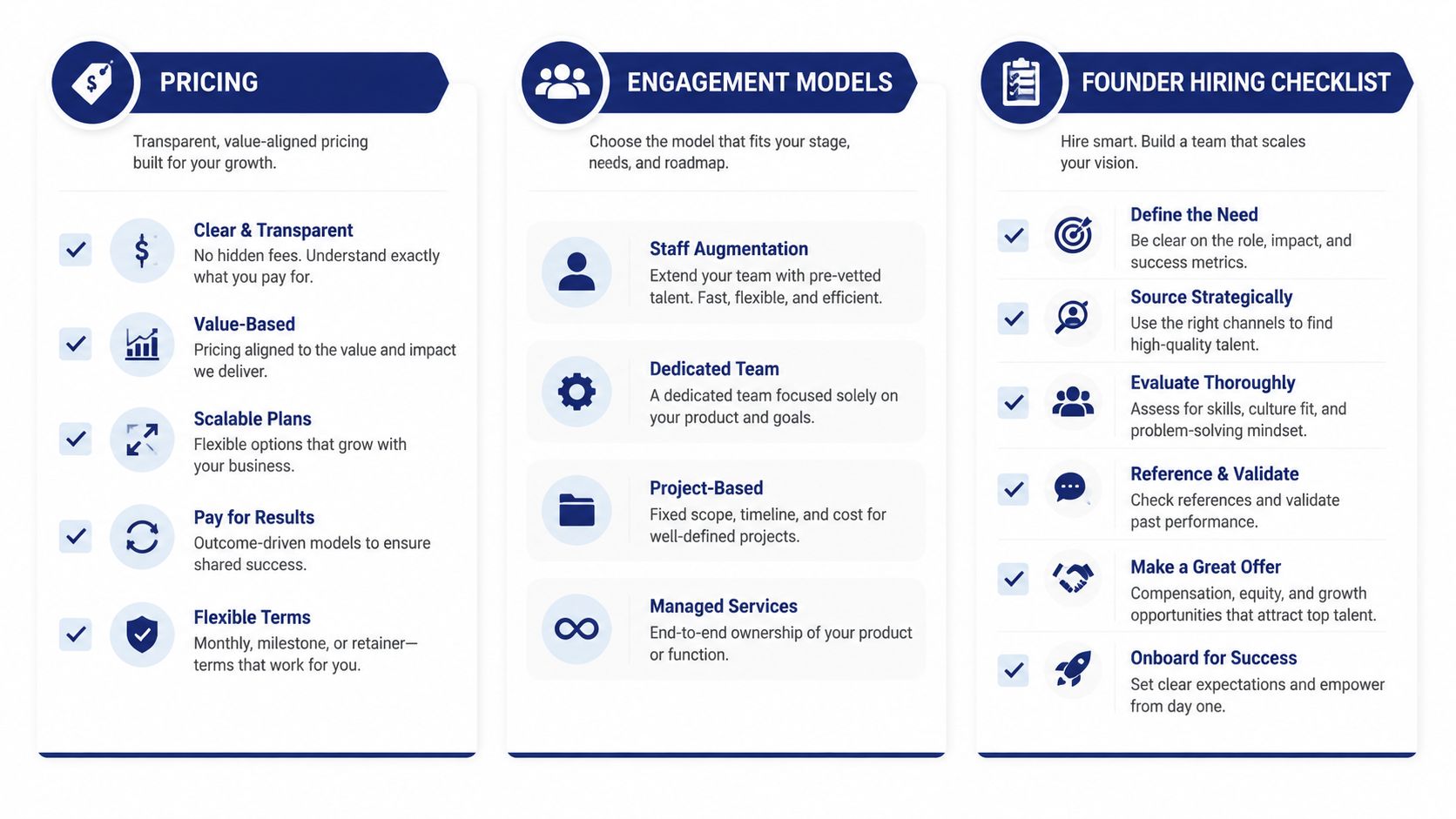
During days 1 to 3, clean up the chart of accounts, confirm the software stack, and provision only the access the provider needs. During days 4 to 7, work through historical catch-up items and document open questions. During days 8 to 14, complete the first clean month-end close, then review the reports with the founder.
If your provider can't explain this sequence, they probably haven't designed an onboarding process. They've designed a sales process.
Remote bookkeeping usually fails before the first transaction is posted. The founder searches across profiles, interviews people with different definitions of “month-end close,” then discovers that the person hired cannot explain the company's revenue model or reporting needs. The search consumed time, and the operating problem remains.
The practical job is to reduce that search burden without handing over control. HireAccountants is one option for US companies looking for remote accounting professionals. Its platform combines candidate matching with recruiting support, offering access to pre-vetted talent for bookkeeping and broader finance roles. Professionals may be engaged part time or full time, with HR, payroll, and compliance support included in the arrangement.
That structure helps only if you define the work first. Specify the accounting system, industry context, required timezone overlap, expected hours, approval boundaries, and monthly close deliverables before reviewing candidates. A matching engine cannot compensate for a vague role. If you cannot describe what “done” means, you are buying interviews, not capacity.
Compare providers against the operating problem, not the sales presentation:
| Provider Type | What to Check First | Where It Can Fit |
|---|---|---|
| Local freelancer | References, backup coverage, and availability during your working hours. | A straightforward ledger with limited volume and a founder who can review work. |
| Traditional agency | Who performs the work, who reviews it, and how handoffs are documented. | A company that wants recruiting help or documented workflows without building a finance team. |
| Managed remote team | Named ownership, access controls, review procedures, and replacement coverage. | A growing company that needs recurring coverage and more than one person involved. |
| HireAccountants | Candidate fit, communication expectations, and how the operating relationship is managed. | A company that wants structured matching and recruiting support while retaining responsibility for its process. |
The table is a starting filter, not a recommendation. A platform can shorten the candidate search, but it does not create your close calendar, approval matrix, or review habit. Those remain management responsibilities.
Before granting financial access, ask what happens when the bookkeeper is unavailable, a close slips, or the numbers look wrong. Identify the reviewer, escalation route, replacement process, and record-return procedure. Get each answer in writing. The provider should make hiring easier, not make accountability harder.
Start with one uncomfortable question: Do you want bookkeeping to be a core competency you own, or an operational chore you want run well and forgotten?
If the answer is “own it,” keep financial leadership and control decisions close to the company. If the answer is “run it well,” choose a provider that can show its workflow, permissions, close calendar, review process, and backup coverage.
Use this filter before signing:
Use written references, credential checks, and modern vendor verification tools as part of your diligence. Then ask the question most founders skip:
What does the first 30 days look like, who owns what, and how is quality measured?
A good answer includes access setup, chart-of-accounts review, historical cleanup, close deadlines, review meetings, escalation contacts, and the exact reports you'll receive. A bad answer includes the phrase “we'll figure it out as we go.” That phrase belongs on a warning label.
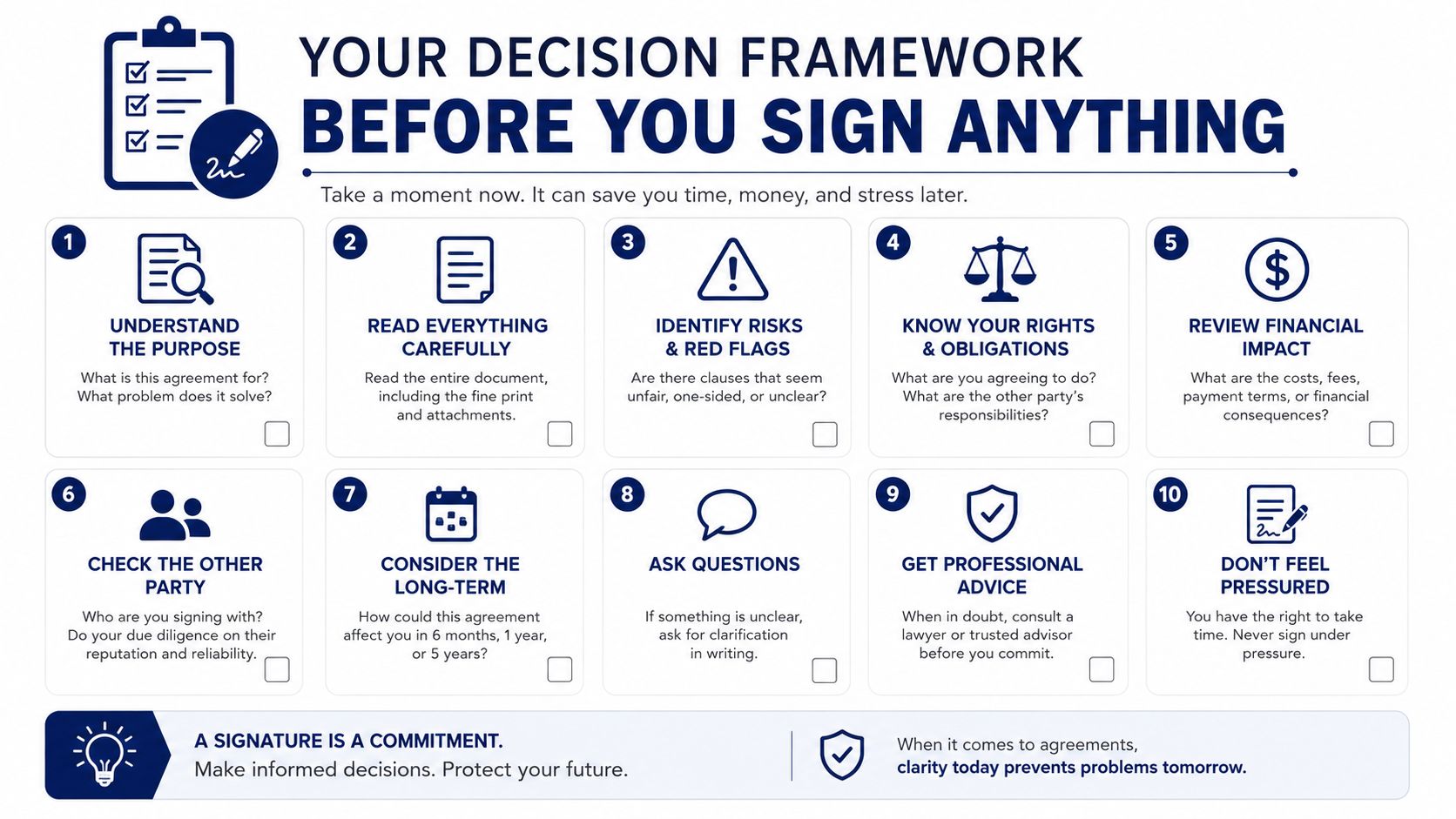
Remote bookkeeping services make sense when they're part of a designed operating system. Keep approvals, financial judgment, and accountability visible. Push repeatable execution to the person or team equipped to handle it. Your books should support decisions before the crisis, not explain the crisis afterward.
HireAccountants helps US companies find pre-vetted remote bookkeepers and finance professionals, with matching, flexible engagement options, and support for onboarding and compliance. Share your accounting stack, monthly workload, and timezone needs, then visit HireAccountants to start a focused search instead of another week of resume roulette.
Let's simplify your finances today!